Spelt Sourdough Bread: Nutty, Aromatic, and Easy to Digest
This article may contain affiliate links. If you make a purchase through these links, we may earn a small commission at no extra cost to you. This helps us keep creating free content.

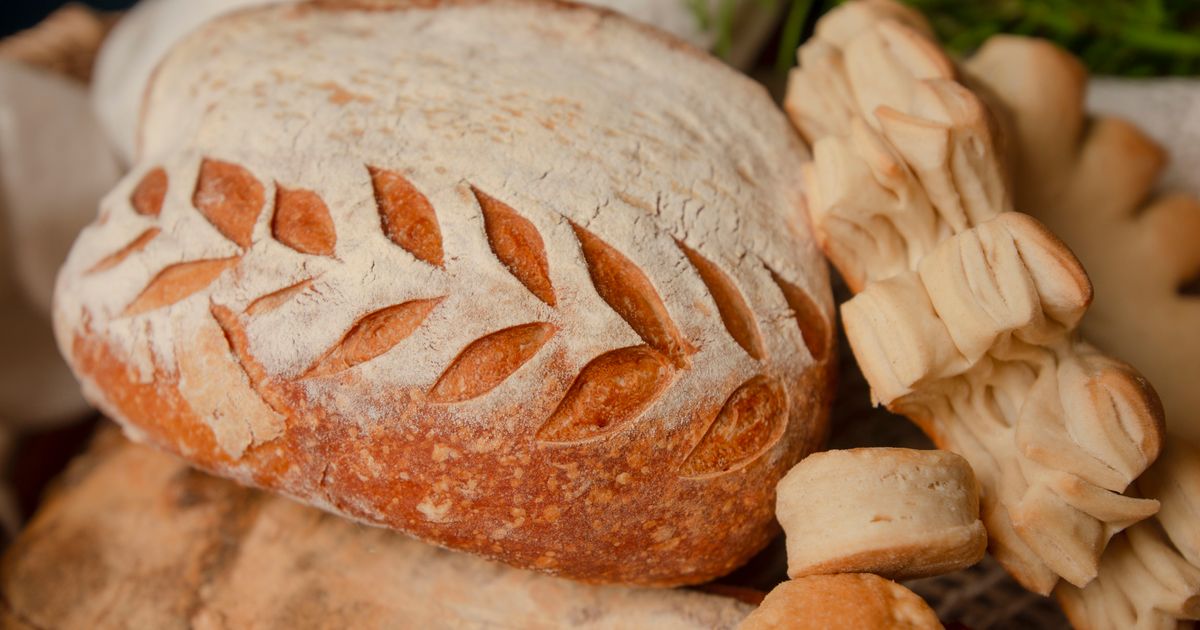
There's a moment, right when you pull a spelt sourdough loaf from the oven, when the kitchen fills with this warm, almost honey-like aroma. It's different from a regular wheat loaf. Sweeter. More complex. And that smell is your first hint that spelt is something special.
Spelt is an ancient relative of modern wheat, cultivated for thousands of years before industrial farming pushed it aside in favor of higher-yield varieties. It's been making a comeback in artisan bakeries for good reason: the flavor is extraordinary, and many people who struggle with modern wheat find spelt easier on their stomachs. It's not gluten-free, spelt absolutely contains gluten, but the gluten structure is different, and that changes everything about how you handle the dough.
Why Spelt Behaves Differently
If you've baked with regular bread flour and then switch to spelt using the same method, you're going to be disappointed. Spelt's gluten is more fragile and water-soluble than wheat gluten. In practical terms, this means:
- It absorbs less water: Where your wheat dough might handle 75% hydration happily, spelt starts getting sloppy around 68-72%. Start lower than you think.
- The gluten breaks down faster: Overmixing or over-folding spelt dough will wreck the structure. You need fewer folds and a gentler touch.
- It ferments quickly: Spelt's sugars are more readily available, so your starter tears through them faster. Keep a close eye on bulk fermentation, it can go from perfect to over-proofed in what feels like minutes.
Full Recipe: 70% Spelt Sourdough
This recipe uses 70% spelt flour blended with 30% bread flour. The bread flour provides structural support that pure spelt can't manage on its own, while the spelt delivers all that gorgeous flavor. Once you're comfortable with this ratio, you can experiment with pushing the spelt higher.
Ingredients
- 350g spelt flour (whole or light spelt, whole has more flavor, light is easier to handle)
- 150g bread flour (strong white)
- 345g water (69% hydration, 28-30C, slightly warm to help the gentler gluten develop)
- 100g active sourdough starter (at peak, see how to feed your starter)
- 10g salt
- 5g honey (optional, complements spelt's natural sweetness beautifully)

Method
Autolyse (30-45 minutes): Mix both flours with all the water. You don't need the extended autolyse that whole wheat demands, but 30-45 minutes lets the spelt hydrate properly without overdeveloping. The dough should feel soft and slightly tacky.
Add starter and honey: Incorporate the starter (and honey if using) by squeezing it through the dough. Mix gently for about 90 seconds. Don't overwork it. Rest 20 minutes.
Add salt: Sprinkle salt over the dough with a few drops of water. Pinch and fold to distribute. Rest 30 minutes.
Stretch and folds (1 hour): Do only 2-3 sets of stretch and folds at 30-minute intervals. This is fewer than a wheat dough needs. Each set should be gentle, stretch until you feel light resistance, then fold. Don't push it. After the last fold, leave the dough completely alone.

Bulk fermentation (2-3 hours total): After your last fold, let the dough rest undisturbed. You're looking for a 40-60% volume increase, not a full double. Spelt over-proofs easily, and an over-proofed spelt dough is nearly impossible to shape. Check often after the 2-hour mark.
Pre-shape: Turn the dough onto a lightly floured surface. Use a bench scraper to gently pull it into a round. Flour your hands, not the dough. Rest 15 minutes uncovered.
Final shape: Shape into a boule. Be quick and decisive, long, drawn-out shaping degrades spelt gluten. If you need a refresher, our shaping guide covers the fundamentals. Place seam-side up in a generously floured banneton. Rice flour works best for dusting, spelt dough is stickier than wheat.
Cold proof: Cover and refrigerate for 8-14 hours. The cold firms up the dough and makes scoring much easier.

Bake: Preheat your oven with a Dutch oven to 240C (465F) for 45 minutes. Score directly from the fridge, one confident slash is all you need. Bake covered 20 minutes, then uncovered at 220C (430F) for 20-22 minutes. Spelt browns faster than wheat, so keep an eye on the color. You want golden amber, not dark brown.
Spelt Sourdough Tips and Troubleshooting
The dough is a sticky mess
You've probably used too much water. Spelt needs less hydration than wheat. Try reducing water by 10-15g next time. Also make sure you're measuring by weight, volume measurements are especially unreliable with spelt flour.
The loaf spread flat in the oven
Two likely causes: over-proofing during bulk fermentation, or too much handling during shaping. Shorten your bulk by 30 minutes and shape more quickly. If your loaves are consistently going flat, our flat sourdough troubleshooting guide digs into all the possible causes.
Can I make 100% spelt sourdough?
You can, but it's challenging. Drop hydration to 65%, reduce folds to just 2 sets, and expect a denser crumb. The flavor is extraordinary, pure spelt sourdough has a sweetness that's almost cake-like, but the texture is more rustic. Master the 70% blend first.
Spelt sourdough might just become your new favorite bread. The flavor is in a league of its own, the dough comes together quickly, and there's something deeply satisfying about baking with a grain that humans have cultivated for millennia. Your ancestors would approve.
⚠️Disclaimer: This article is for informational purposes only. Fermenting and brewing require strict food hygiene — including correct fermentation times, temperatures, and cleanliness. Home-brewed beverages may contain alcohol. When in doubt, consult a food safety expert.
Published by the Sourdough Joe editorial team. Published December 15, 2025. Updated September 12, 2026.
Editorial responsibility: see Imprint.
Spotted an error or have something to add? corrections@sourdoughjoe.com
🧭Part of our topic hub: Recipes & Savory Breads→You might also like

Sourdough Burger Buns That Hold Up
Soft, pillowy sourdough burger buns that actually hold together through a loaded burger. No more soggy, collapsing buns.

Sourdough Chocolate Cake: Yes, Really
A rich, fudgy chocolate cake made with sourdough discard. The tang enhances the chocolate flavor in a way that will change how you think about cake.

Sourdough Crumpets: Fluffy, Tangy, and Addictive
Thick, spongy crumpets loaded with holes that pool with melted butter. Made with sourdough starter for a tang that elevates this British classic.
Explore more
All articles on Sourdough Joe →
Fresh from the Oven
New recipes, baking science, and troubleshooting tips — every Saturday morning.
🎁 Free bonus: Your First Sourdough Loaf Guide (PDF)